Decarbonisation in SMEs: the measures with the best return
Efficiency, renewable supply, fleet and processes: reduction measures ranked by economic and emissions return.

Decarbonising does not mean overhauling the company: it means ordering the measures by return and starting with those that pay for themselves. For most SMEs the first moves reduce emissions and bills together. Here is the hierarchy we see working, from the fastest to the most structural.
First: the efficiency that pays for itself
LED lighting, smart management of air conditioning and compressed air, maintenance of boilers and motors, heat recovery where processes allow. These are interventions with payback times often under three years, which cut Scope 1 and 2 without touching production. The preliminary measurement of consumption per site indicates where to intervene first.
Second: the supply contract
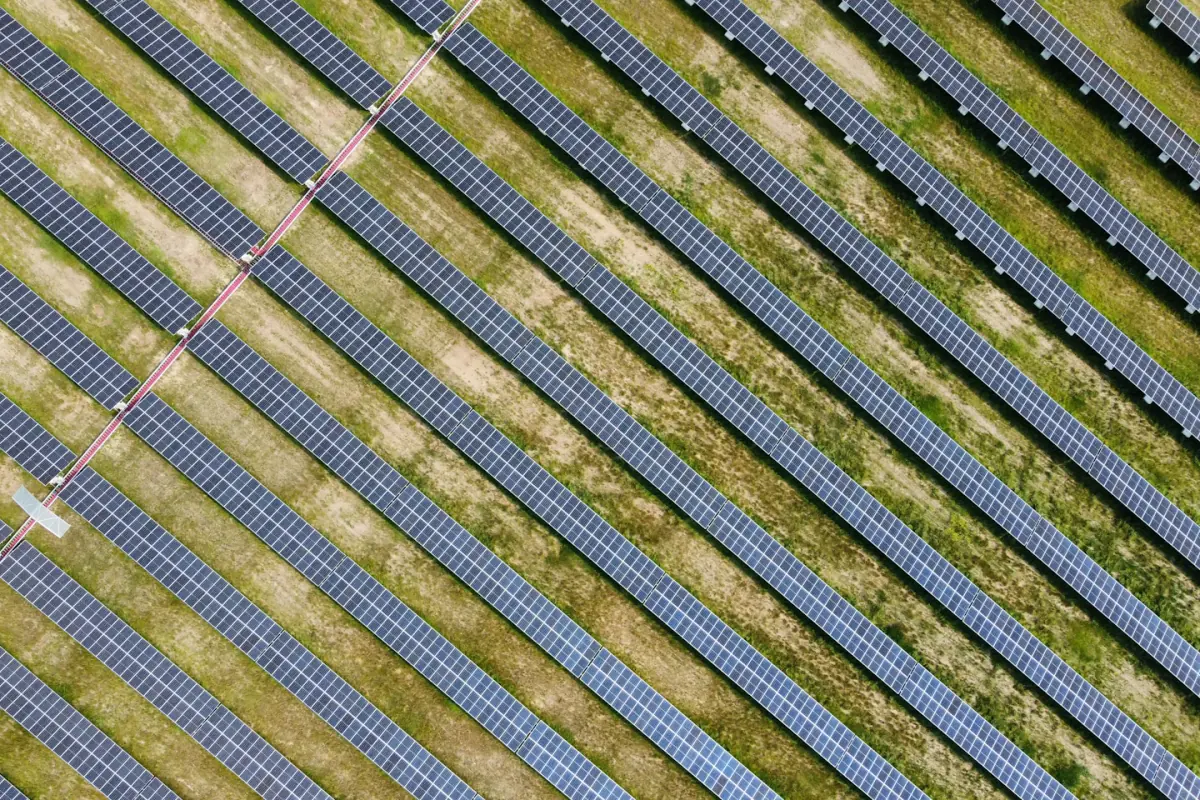
Switching to an electricity supply with renewable guarantees of origin reduces market-based Scope 2 with a signature. It does not replace efficiency (the wasted kWh remain a cost), but it is the measure with the best ratio between reportable effect and effort. Where the site allows, self-consumption photovoltaics adds structural reduction and cover against price risk.
Third: fleet and logistics
Renewing vehicles towards hybrid and electric follows the natural replacement cycles: the rule is not to bring things forward at all costs, but not to miss the windows. On logistics outsourced to third parties, the lever is carrier selection and load optimisation: Scope 3 emissions and transport costs fall together.
Fourth: processes and supply chain
The most structural measures: revision of energy-intensive processes, materials with lower emission intensity, reduction of scrap and returns. They require solid data on the value chain, which is why they come later: first you measure Scope 3, then you negotiate with suppliers on the categories that weigh.
Measurement per site, efficiency with fast payback, renewable contract, fleet within natural cycles, supply chain on the data. Each step partly finances the next.