Renewable energy and Scope 2: market-based and location-based explained
Guarantees of origin, green contracts and self-consumption: how they enter Scope 2 with the two calculation methods.
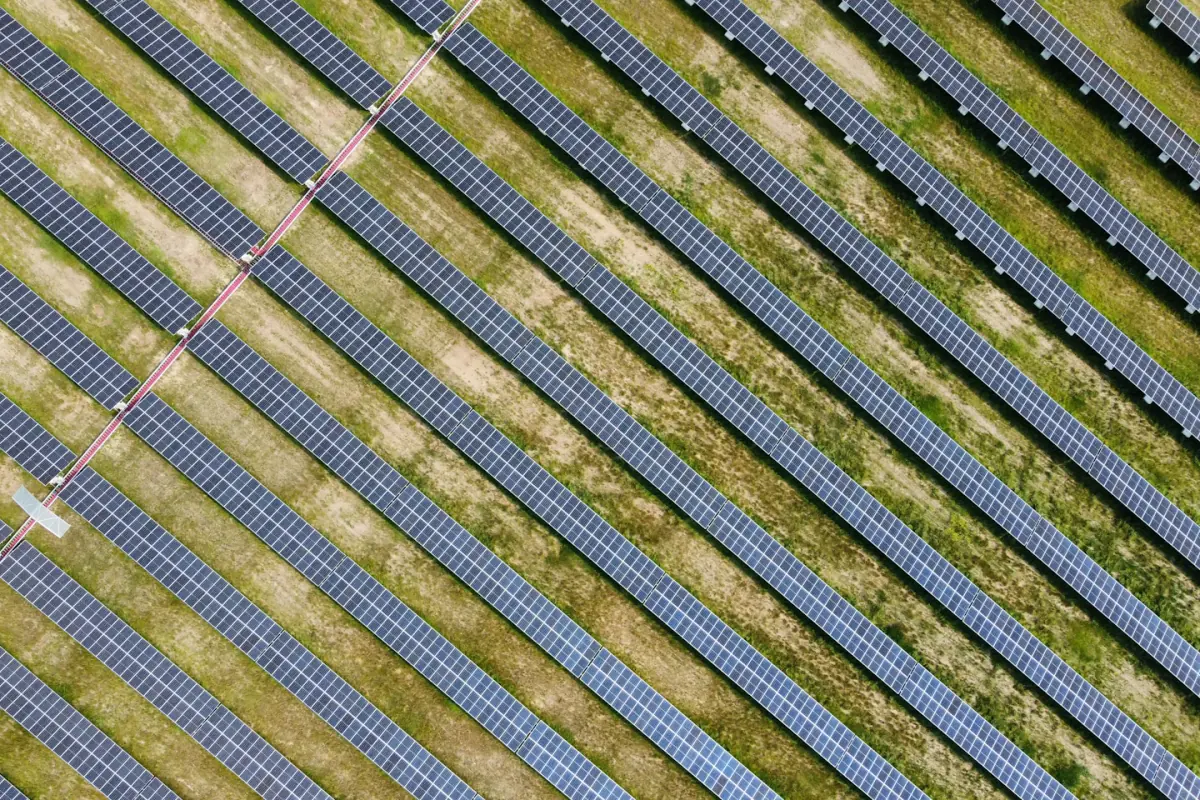
Does buying renewable energy reduce declared emissions? It depends on the calculation method. Scope 2 is reported with two views, location-based and market-based, and understanding the difference avoids both underestimating your own merits and declaring reductions that do not hold up to a verification.
The two methods in brief
The location-based applies to your kWh the average factor of the national grid: it photographs the physical impact of the draw, the same for everyone on the same grid. The market-based applies the factor of your specific contract: with a supply covered by renewable guarantees of origin, the contractual factor can be zero. The VSME and the GHG Protocol ask to report both when relevant.
Guarantees of origin
The guarantee of origin is the certificate attesting the renewable production of a MWh fed into the grid. It is the instrument that makes a reduced market-based defensible: without certificates linked to the supply, the "green energy" claim does not enter the calculation correctly. Keep the certificates or the contractual attestations: they are the evidence a verifier asks for.
Self-consumption and special cases
Self-consumption photovoltaics reduces the kWh drawn from the grid, so it lowers both views: it is a physical, not contractual, reduction. Energy bought and resold, rented sites with utilities in the owner's name, and building-wide contracts are the cases that generate the most errors: the rule is to follow who controls the consumption and to document the chosen allocation.