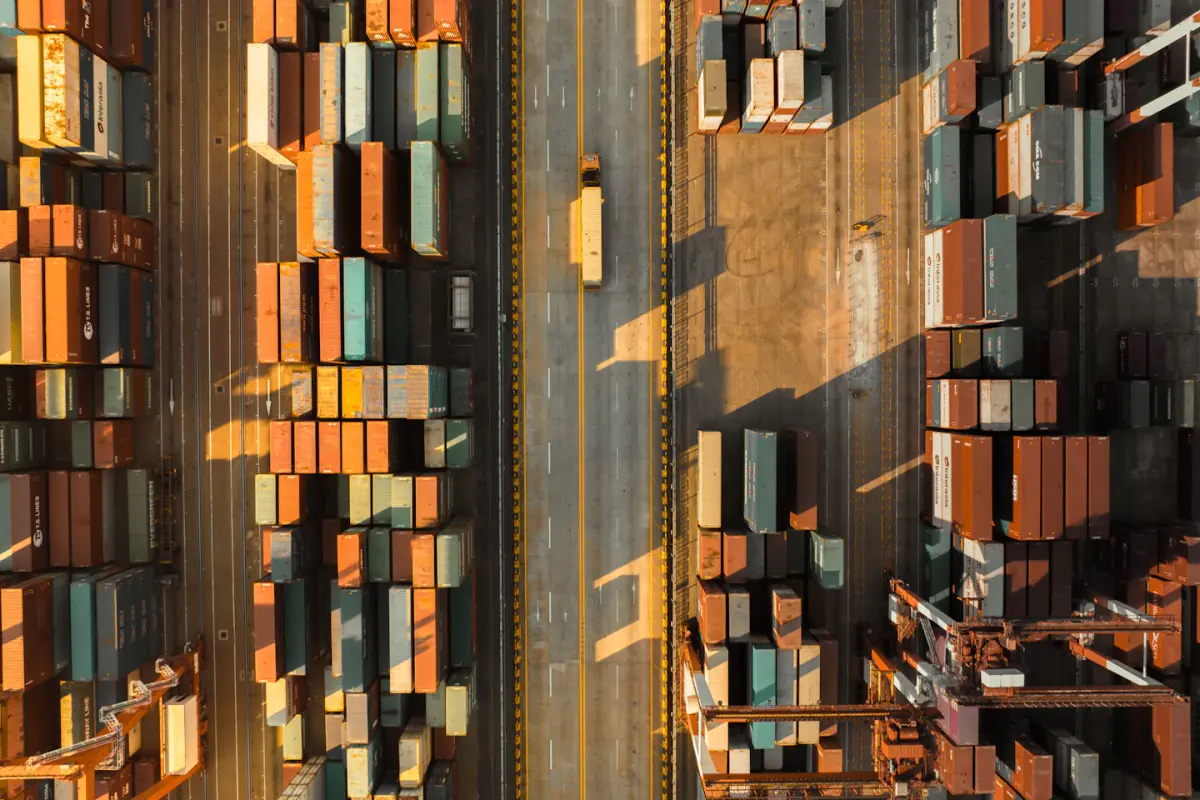
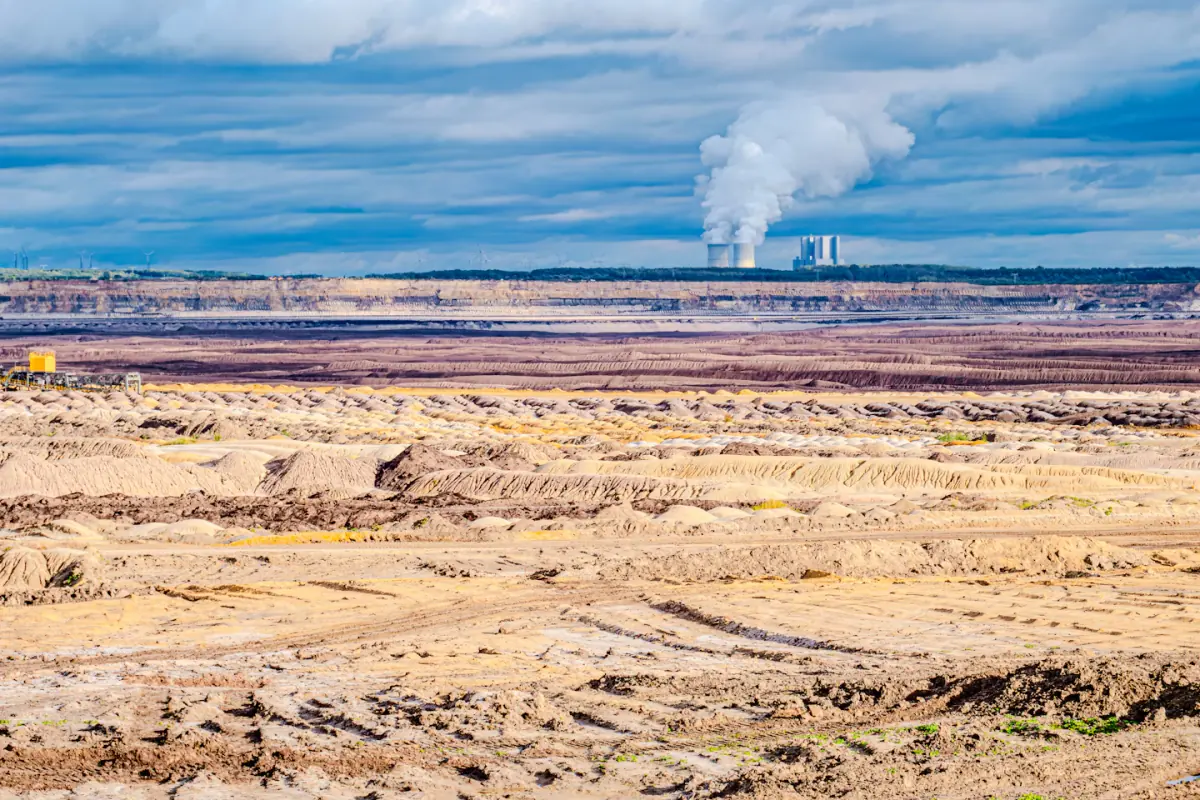
From 1 February 2027, every tonne of CO2 embedded in the products you import from abroad has a price: that of a certificate to be purchased. A cost that enters the balance sheet. A variable to be managed.
The Carbon Border Adjustment Mechanism has concluded its transitional phase. Those who have not yet structured the collection of emission data from their non-EU suppliers find themselves in a specific position today.
They must pay the highest price.
From reporting to payment: what has changed
Until now, CBAM has functioned as a preparatory exercise. Importers of steel, aluminium, cement, fertilisers, hydrogen and electricity were required to report the embedded emissions of their goods quarterly, without having to purchase certificates. An obligation of transparency, not yet an operating cost.
From 1 February 2027, this distinction no longer exists. Authorised importers must purchase CBAM certificates, the price of which is linked to the European emission allowance market, EU ETS.
Each certificate corresponds to one tonne of CO2 equivalent.
The number of certificates to be purchased depends on the embedded emissions of the imported products. And those emissions, in turn, depend on data that many companies still do not have: that communicated and verifiable by the supplier.
The default mechanism: why not having data costs more
The CBAM regulation provides for two scenarios for calculating embedded emissions.
In the first, the importer has the real emission data from their supplier, collected according to the methodology set out in EU Implementing Regulation 2023/1773. The calculation is based on that data, and the cost of the certificates reflects the actual carbon intensity of the production process.
In the second, the importer does not have verifiable data.
In this case, the default values set by the European Commission apply: global average sectoral emissions, calculated in a deliberately conservative manner compared to the most efficient producers. This means that a company with a supplier that is genuinely virtuous in terms of emissions, but unable to document it, pays as if they were sourcing from an average global producer.
Not having the data is not a neutral position. It is the most expensive position.
Procurement as a new carbon-aware function
CBAM is not just about the ESG department. It is not just about the CFO. It concerns those who manage suppliers. For the first time, embedded emissions in products purchased abroad become a direct economic parameter in evaluating a supplier, on a par with unit price and delivery times.
This requires a concrete change in procurement processes. Companies must start requesting from their non-EU suppliers emission data calculated according to the methodological specifications of the European regulation. They must assess whether that data is verifiable by a third party, as required in sectors where assurance is already mandatory. They must build a system for periodic collection and updating, because the emissions of a production facility are not static: the 2024 data may not be that of 2027.
In many companies we support, this process does not yet exist in a structured form. There is one person "in charge of CBAM", often within the ESG or legal function, who collects information via email from suppliers who in turn have never produced this type of documentation. The result is fragmented data, which is non-verifiable and effectively unusable for the correct calculation of certificates.
The problem is not the regulation: it is the infrastructure
CBAM is not a particularly obscure regulation. The logic is straightforward: if you import products from countries that do not have a carbon price equivalent to the European one, you pay the difference. The real problem is that applying this logic requires a data flow that most companies have never had to build.
Those who build that infrastructure now, even imperfectly, gain two concrete advantages. First: they pay for certificates calculated on actual emissions and not on default values, with significant potential savings as early as 2026. Second: they gain an advantage in supplier selection, because they can compare real costs, including the cost of carbon, and negotiate with more information at hand.
Those who postpone this development will continue to pay the worst price. Until something changes.