Green data centre: the new EU rating and energy efficiency rules
From 2027, European data centres will have an A to G label for energy and water. Who is affected, which indicators count and what changes if you use cloud and colocation services.
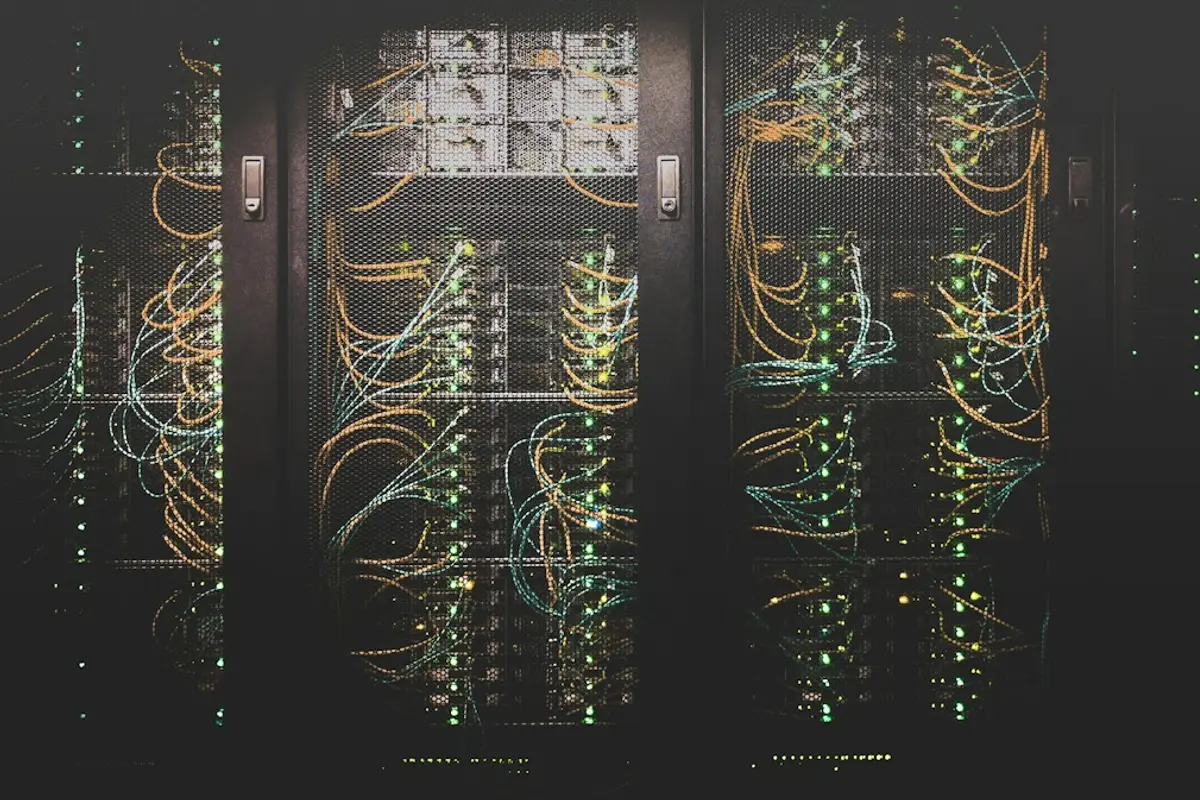
A green data centre is a facility that measures and reduces its energy and water use, runs on renewable energy and recovers waste heat. In Europe it is no longer just a choice: the Energy Efficiency Directive requires data centres of at least 500 kW to report their data every year, and on 21 September 2026 the Commission proposed a common rating, with labels from A to G.
What a green data centre is
A data centre uses energy for its servers and, to a varying degree, for cooling, uninterruptible power supplies and lighting. Sustainability is measured with a few standard indicators:
- PUE (Power Usage Effectiveness): total data centre energy divided by the energy drawn by IT equipment. The closer it gets to 1, the less energy is lost outside the servers;
- WUE (Water Usage Effectiveness): litres of water consumed per kWh of IT energy, a central issue for evaporative cooling systems;
- renewable energy share: the part of consumption covered by renewable sources, documented for example with guarantees of origin or direct purchase agreements;
- heat reuse: the thermal energy recovered and supplied, for example, to a district heating network.
Obligations already in force
The basis is Directive (EU) 2023/1791 on energy efficiency. Operators of data centres with an installed IT power of at least 500 kW must report each year to a European database the information and indicators set by Delegated Regulation (EU) 2024/1364: floor area, installed power, energy consumed, water, renewable share and recovered heat.
The same directive requires data centres with a total rated power above 1 MW to recover waste heat, unless this is not technically or economically feasible. The data collected feeds a public dashboard in aggregated form and the Commission’s reports on the sector’s efficiency.
The new EU rating: labels from A to G
With its proposal of 21 September 2026, the Commission takes the next step: moving from simply reporting data to a comparable assessment. The proposal amends the 2024 delegated regulation and provides for:
| Aspect | Today | With the proposed rating |
|---|---|---|
| What is reported | Annual data and indicators to the European database | The same data, with no new collection requirements |
| Result | Data published in aggregated form | Public electronic label for each data centre |
| Scale | No classes | Two classes from A to G: energy, based on PUE, and water, based on WUE |
| Timing | Annual reporting | First labels from 15 August 2027, valid for one year |
The label is generated automatically by the European database, so the quality of the rating depends on the quality of the data reported. In parallel, the Commission has opened a consultation on possible minimum performance requirements. As this is a proposed delegated act, the text may still change before it enters into force.
Why it matters even if you don’t run a data centre
Most companies use data centres rather than run them. The rating still matters, for three reasons:
- your digital emissions: the energy your cloud provider uses for your services falls within your Scope 3, under purchased goods and services. If you pay directly for the electricity of servers in colocation, that consumption may fall within your Scope 2;
- supplier selection: a public label makes it possible to compare offers that today can only be judged on marketing claims;
- customer requests: ESG questionnaires increasingly ask how the digital footprint is managed, including hosting.
What to do if you use cloud or colocation services
- Ask your provider for data. PUE, WUE, renewable energy share and, if available, the emissions attributed to your services.
- Check whether it is in scope. A data centre of at least 500 kW already reports its indicators and from 2027 will have a public label.
- Replace estimates with specific data. In your emissions inventory, a figure from the provider is worth more than a spend-based estimate.
- Look at location too. At equal efficiency, the electricity mix of the country where the servers run changes emissions significantly.
- Add criteria to contracts. Minimum indicators, an annual reporting obligation and a reference to the EU label, once it is available.
To understand how to treat renewable energy in your calculations, read the guide on renewable energy and Scope 2.
Data centres of at least 500 kW already report their energy data to the EU. With the rating proposed in September 2026, from 2027 that data will become a public A to G label for energy and water. If you use cloud and colocation, it is a chance to ask for verifiable figures and improve the estimate of your digital emissions.