Ecodesign: what it is, the ESPR and the digital product passport
Ecodesign creates products that last, can be repaired and can be recycled. The ESPR makes it mandatory by product category and introduces the digital passport. What it requires and where to start.
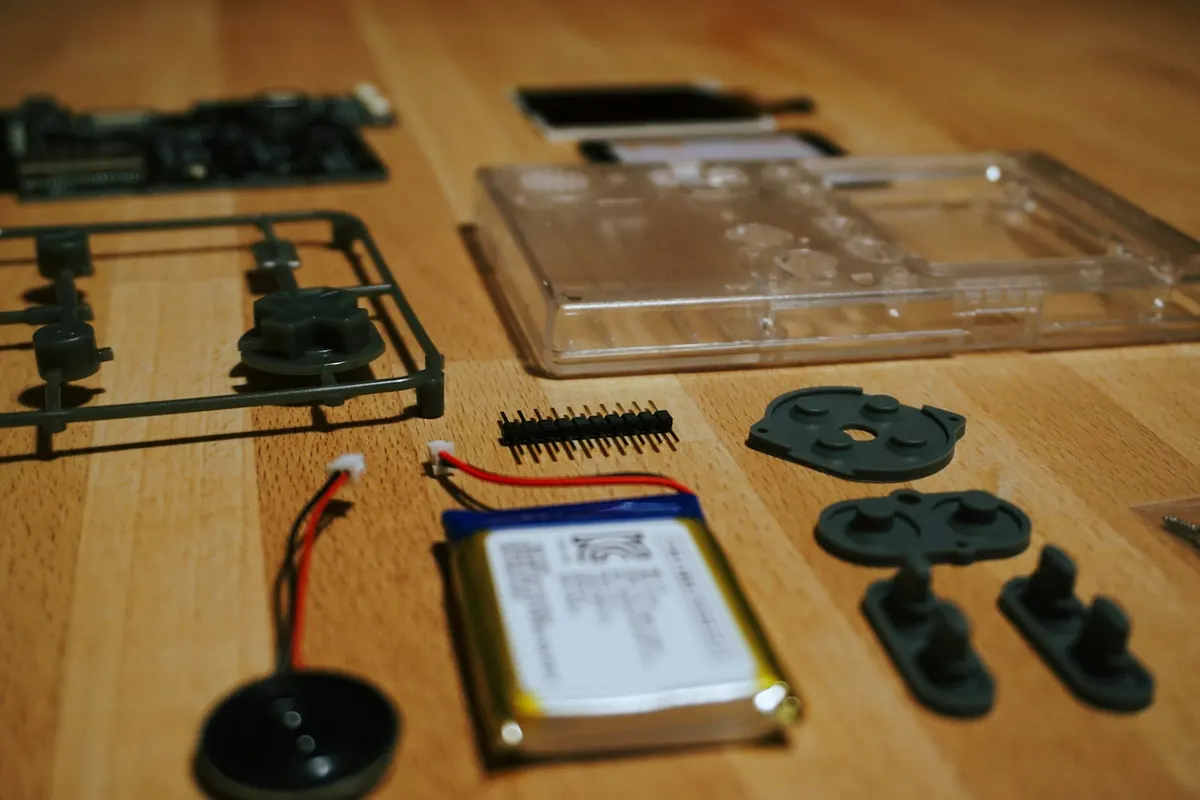
Ecodesign is the design of a product that takes into account its environmental impact across its whole life cycle, from raw materials to end of life. In Europe the reference rule is Regulation (EU) 2024/1781, known as the ESPR, in force since 18 July 2024: it sets requirements for durability, reparability, recycled content and information by product group, and introduces the digital product passport. The requirements arrive category by category through delegated acts, while the ban on destroying unsold clothing and footwear applies to large companies from 19 July 2026.
What ecodesign is and what its principles are
Much of a product’s environmental impact is decided at the design table: which materials to use, how to assemble them, how long it should last, whether it can be opened and repaired, what happens when it breaks. Ecodesign brings these questions to the start of the process, instead of managing their consequences at the end.
The principles are few and concrete:
- Durability and reliability: the product keeps its functions for longer;
- Reparability and maintenance: it can be opened without destroying it, and spare parts exist and are accessible;
- Reuse, upgrading and remanufacturing: components and software can have a second life;
- Efficiency: less energy, water and materials in production and use;
- Circular materials: recycled content, separable materials, no substances that hinder recycling;
- Measured footprint: carbon and environmental footprint calculated over the life cycle.
These are the same principles as the circular economy, applied to a single product.
The ESPR, Regulation (EU) 2024/1781
The ESPR, the Ecodesign for Sustainable Products Regulation, replaced Directive 2009/125/EC. The old directive covered only energy-related products, such as household appliances and motors; the regulation covers almost all physical goods placed on the European market, with a few exceptions such as food, feed and medicines. Being a regulation, it applies directly in all Member States, without transposition.
The ESPR is a framework regulation: on its own it does not impose requirements on any specific product. The Commission sets them through delegated acts by product group, after technical studies and consultations. As a rule, a delegated act applies no earlier than 18 months after it comes into force, so that companies have time to adapt designs and suppliers.
Requirements can be of two types:
| Type of requirement | What it sets | Examples |
|---|---|---|
| Performance | Minimum or maximum levels to be met | Minimum number of use cycles, minimum recycled content, energy consumption limit, carbon footprint cap |
| Information | Data to be made available to customers, operators and authorities | Digital passport, reparability score, disassembly instructions, presence of substances of concern |
The regulation also allows mandatory green public procurement criteria to be introduced for specific products, so that public administrations buy those with the best environmental performance.
The digital product passport
The digital product passport (DPP) is an electronic identity card for the product. It is accessed through a data carrier applied to the product, its packaging or its documents, for example a QR code, and is linked to a unique identifier.
What it contains is set by the delegated act for each product group. Typical information includes:
- materials and components, including substances of concern;
- recycled content and recyclability;
- instructions for use, maintenance, repair and disassembly;
- environmental performance, such as the carbon footprint, where required;
- conformity documents and details of the responsible economic operator.
Different access levels make it possible to show consumers only some information and reserve the rest for repairers, recyclers or authorities. The regulation provides for a central registry managed by the Commission, operational since July 2026, and automatic customs checks on the existence of the passport for imported products.
The passport is not unique to the ESPR. The Batteries Regulation requires it from 18 February 2027 for certain categories, such as electric vehicle batteries and industrial batteries above 2 kWh, and the new Construction Products Regulation also introduces a digital passport. The technical rules aim to be consistent with one another.
Which products come first
In April 2025 the Commission adopted the first ESPR working plan for the 2025-2030 period. It identifies the product groups that will be covered by the first delegated acts:
| Product group | Why it is a priority | Status as of October 2026 |
|---|---|---|
| Iron and steel | High climate impact, intermediate products used everywhere | Consultation closed in August 2026, adoption expected by the end of the year |
| Aluminium | High energy consumption, recycling potential | In preparation |
| Textiles, in particular clothing | High volumes, short lifespan, low recycling | In preparation |
| Furniture | Mixed materials, potential for repair and reuse | In preparation |
| Tyres | Durability, microplastics, fuel consumption | In preparation |
| Mattresses | Hard to recycle, end-of-life volumes | In preparation |
The plan also includes horizontal measures, i.e. measures valid across several categories, on the reparability of electrical and electronic products and on their recycled content and recyclability. For energy-related products, work on efficiency requirements and the energy label continues. Adoption dates are indicative and may change.
The ban on destroying unsold products
Part of the ESPR already applies without delegated acts. From 19 July 2026 large companies may not destroy unsold clothing, clothing accessories and footwear. For medium-sized companies the ban applies from 19 July 2030, while micro and small companies are exempt. Circumventing the ban by passing the goods to an exempt operator to destroy them is not allowed.
Derogations, for example for safety reasons or when no recipient can be found through sale or donation, are defined by a delegated regulation and must be documented. Large companies must also publish every year how many unsold consumer products they discarded and why. The Commission can extend the ban to other sectors if the data justifies it.
What an SME can do right now
Even if your product does not yet have a delegated act, there are good reasons to act: industrial customers and large retail chains are already asking for product data, and those who have it ready start ahead when the requirement becomes mandatory.
- Check whether you are affected. See whether your products, or the components you supply, fall within the priority groups of the working plan.
- Map materials and suppliers. Composition, recycled content, substances, origin: this is the data the passport will require, and suppliers often hold it.
- Measure the footprint. A life cycle assessment, or an EPD if you work in construction, gives you the figures to design and communicate with.
- Redesign a pilot product. Disassembly with common tools, available spare parts, fewer bonded materials: small changes that improve reparability and recycling.
- Organise your data digitally. A passport is compiled from structured, up-to-date data, not from scattered PDFs.
Ecodesign is also linked to the other product obligations: the PPWR packaging regulation applies the same logic to packaging, and circular economy indicators help measure progress. For site data, such as energy consumption and waste, with Envify you can extract it from utility bills and waste forms (FIR) and keep it ready for reports and client requests.
The ESPR makes ecodesign mandatory category by category, with performance and information requirements set by delegated acts and a digital passport for every product covered. The first act concerns iron and steel, while the ban on destroying unsold clothing and footwear already applies to large companies.